Five Upgrades You Should Make When Buying a New Home if You Intend to Develop a Viable Basement Suite Later
Calgary's housing market continues to expand, and smart homeowners are planning ahead for basement development in Calgary. Without proper preparation during construction, you'll face expensive renovations, awkward layouts, or spaces that fail city inspections.
The right upgrades now make future basement development in Calgary faster, easier, and dramatically more affordable. Here are five investment-focused upgrades that protect your home's value and unlock future income potential.
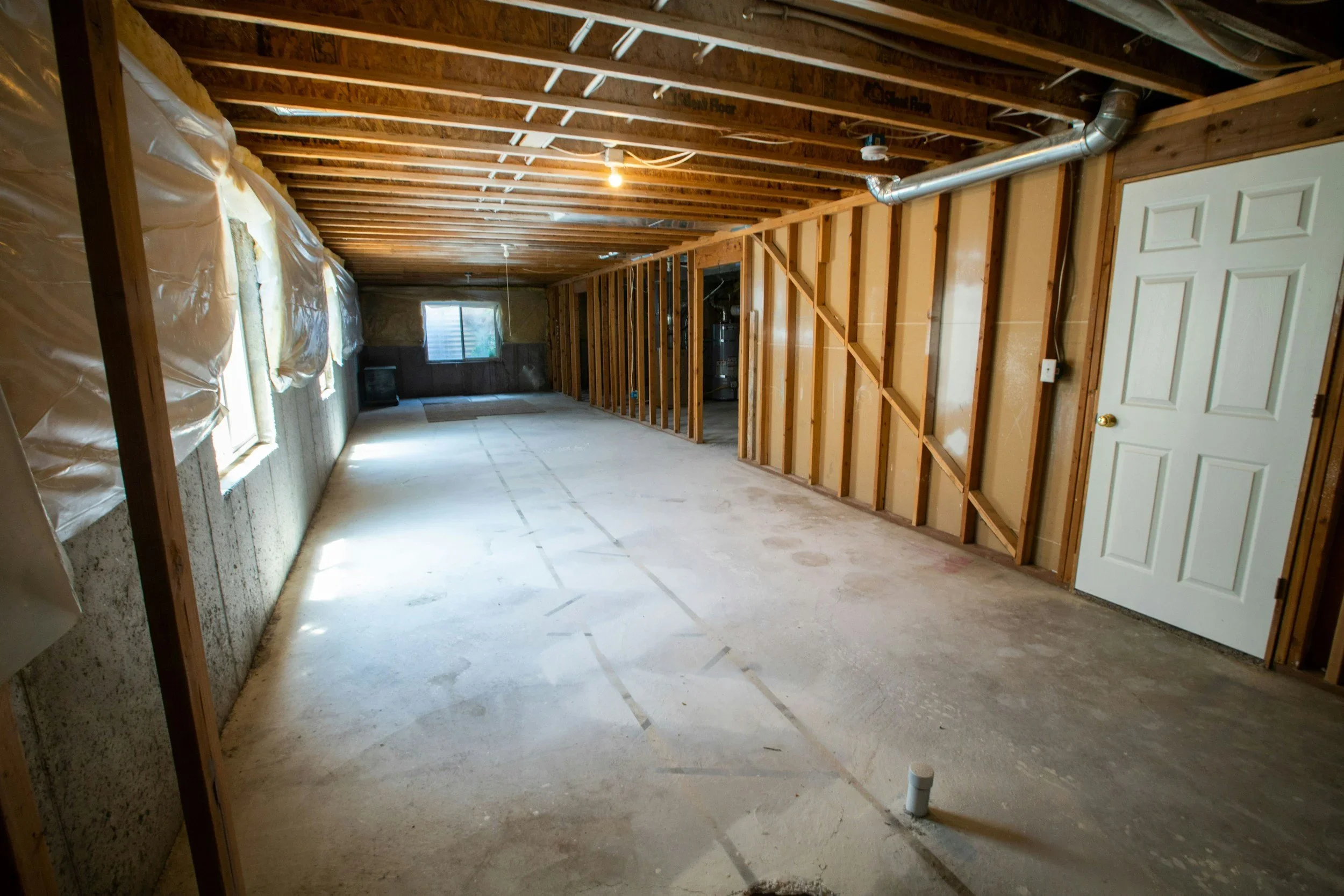
1. Ceiling Height: Build Room to Breathe
The Problem: Standard 8-foot basement ceilings drop to 7 feet after framing and ductwork—below Alberta's 6'7" minimum for habitable space.
Why It Matters: Low ceilings fail inspections and create cramped, uninviting spaces. Tenants won't pay premium rent for claustrophobic rooms, and family members won't enjoy living there.
The Solution: Specify 9-foot basement walls during construction. This $3,000–$5,000 upgrade saves you $15,000+ later when retrofitting becomes necessary. Proper ceiling height is non-negotiable for legal suite development.
2. Separate Entry: Independence is Everything
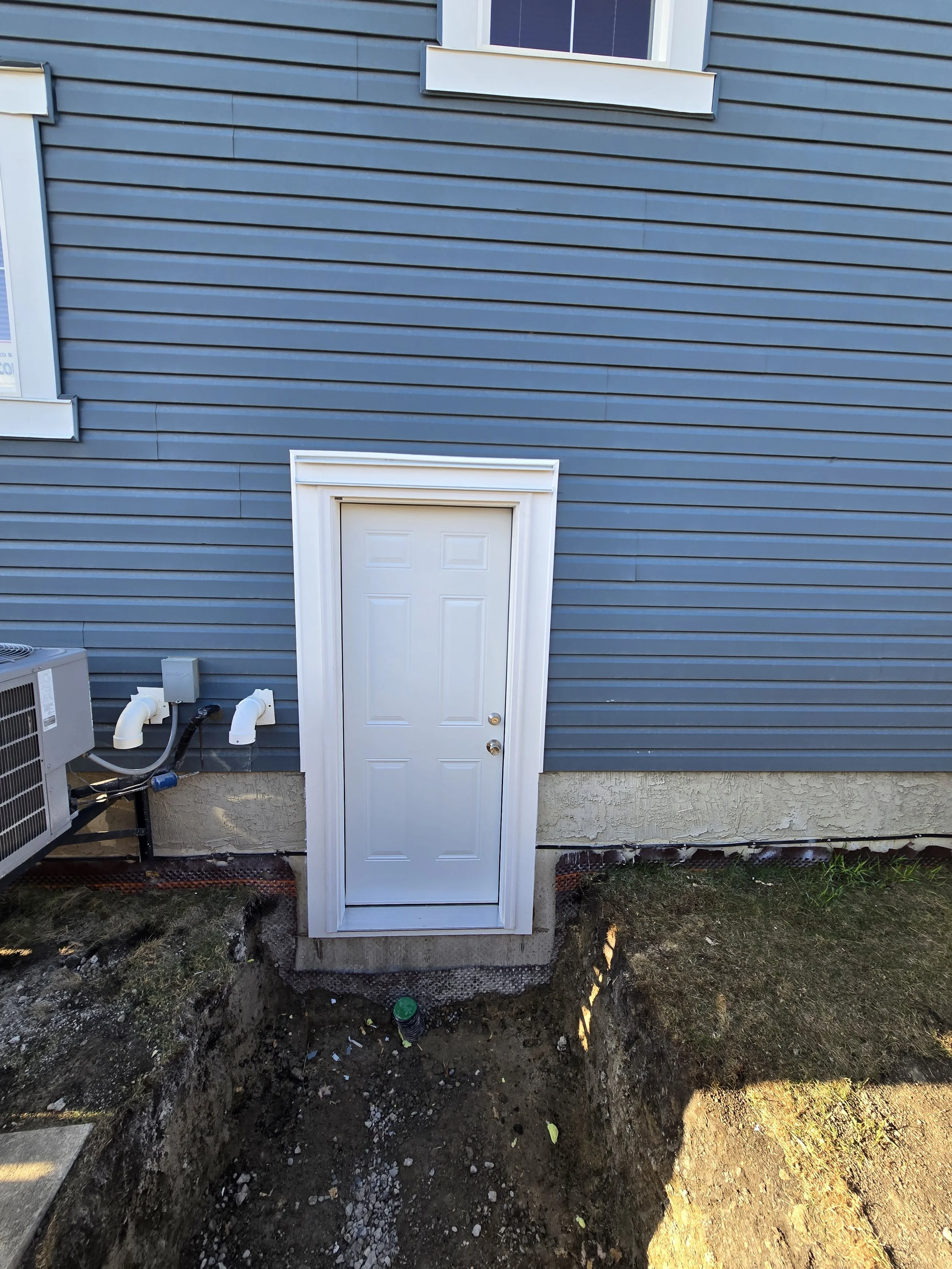
The Problem: Most basements access through the main floor—fine for storage, terrible for rental suites or multigenerational living.
Why It Matters: Shared entries mean no privacy, conflicting schedules, and potential bylaw violations. Quality tenants paying $1,200–$1,500 monthly expect their own entrance.
The Solution: Install a side or rear entrance during construction for $4,000–$8,000. Retrofitting later costs $20,000+. A private entrance transforms your basement from hobby space to income-generating suite.
3. Electrical Panel: Power Your Investment
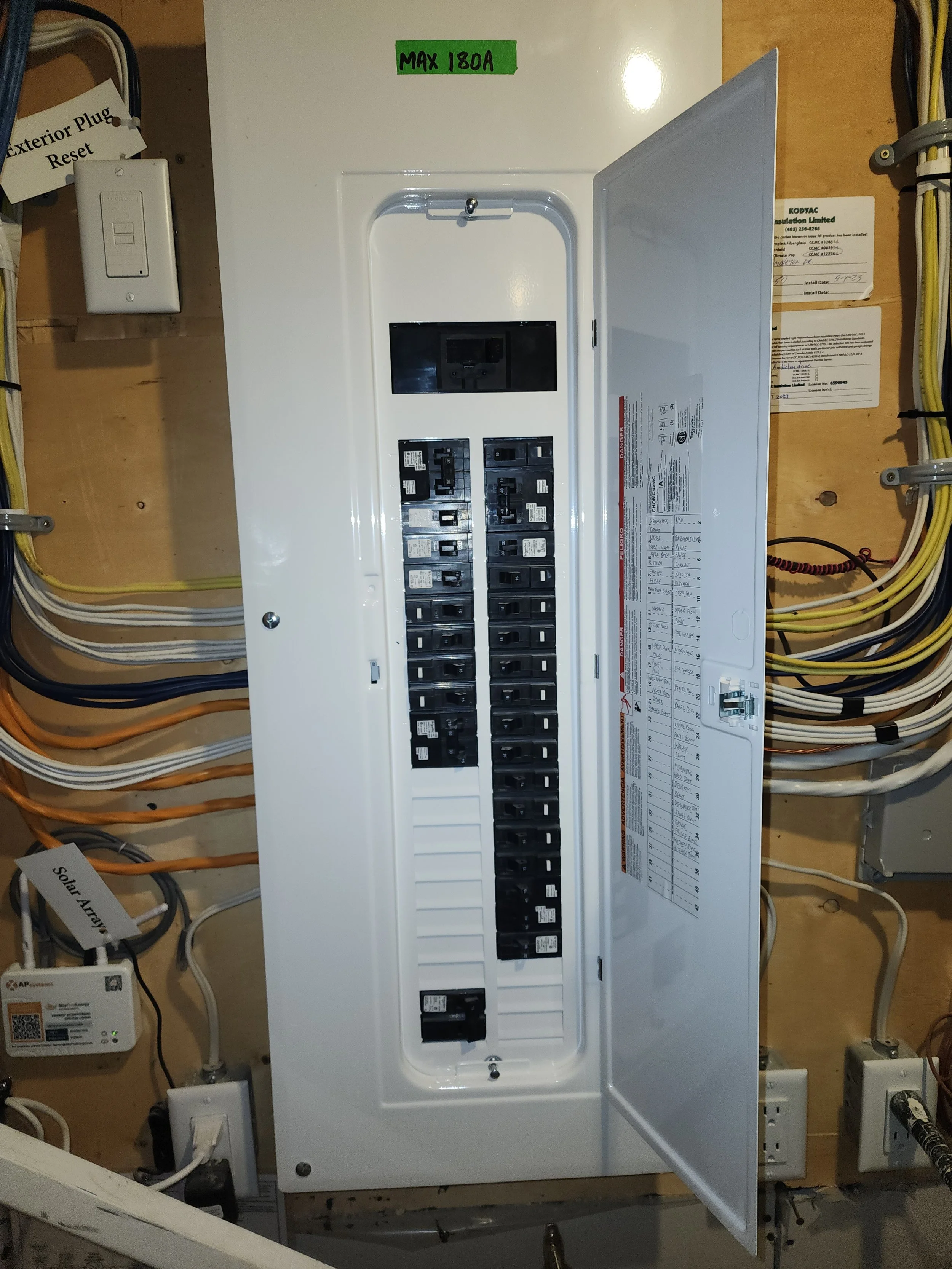
The Problem: Standard 100-amp panels barely handle single-family needs. Add a suite's kitchen, laundry, and heating, and you're overloaded.
Why It Matters: Undersized panels cause tripped breakers, voltage drops, and fire risks. Upgrading later costs $3,000–$6,000 plus the hassle of shutting down your home's power.
The Solution: Upgrade to a 200-amp panel during construction for just $800–$1,500. You'll also accommodate future EV chargers, hot tubs, and home offices. For serious basement development in Calgary, proper electrical capacity is essential infrastructure.
4. Windows & Egress: Light, Safety, Code Compliance
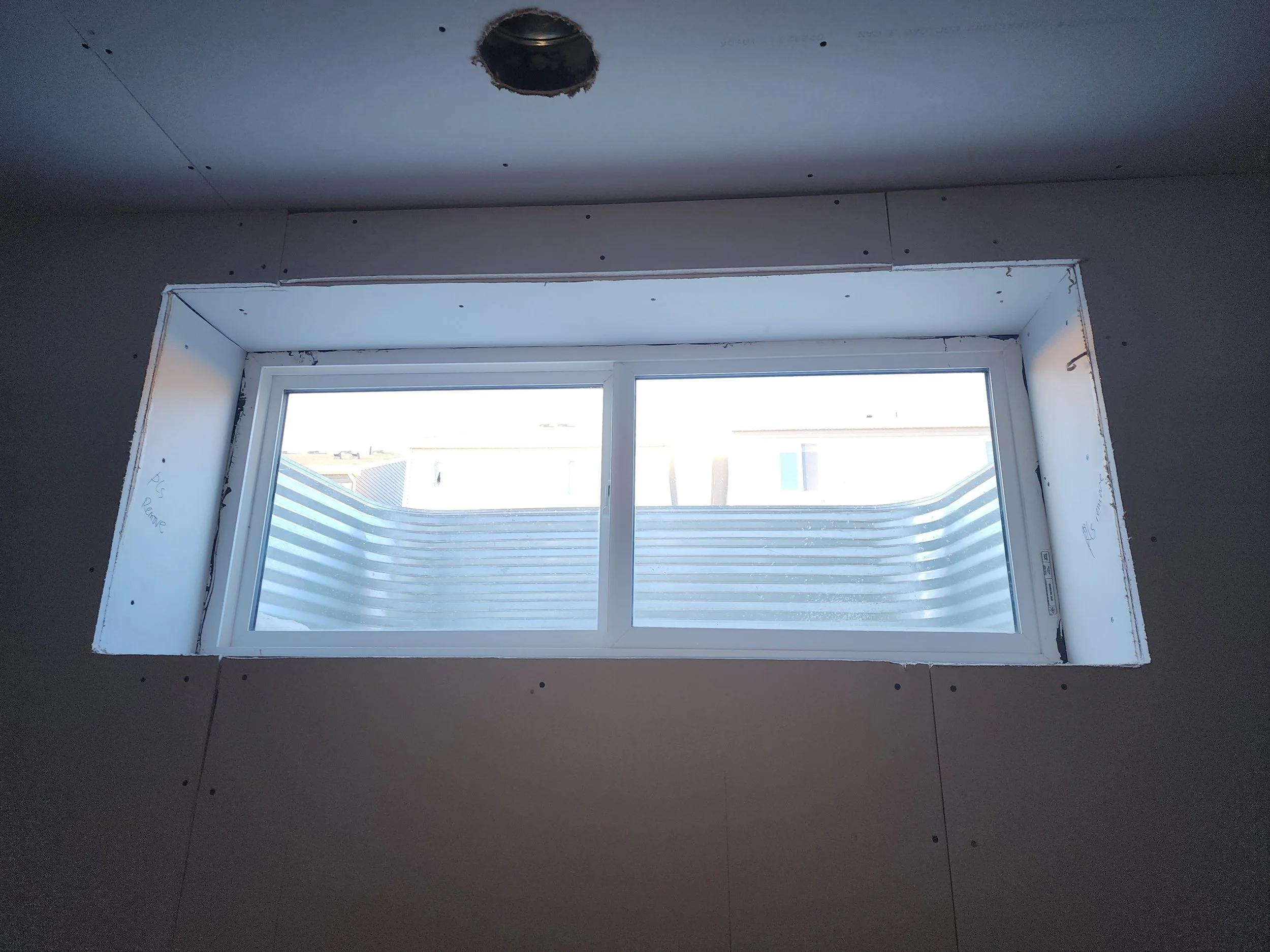
The Problem: Small, high-mounted basement windows don't meet bedroom egress requirements or provide adequate natural light.
Why It Matters: Alberta Building Code requires bedroom egress windows with:
Minimum 0.35 m² (3.8 sq ft) opening
No dimension less than 380 mm (15 inches)
Sill height under 1,500 mm (59 inches)
Without compliant windows, bedrooms fail inspection. Cutting egress windows later costs $5,000–$8,000 each.
The Solution: Install full-size egress windows during construction for $800–$1,500 each. Add one per planned bedroom plus a living room window. Natural light makes basements feel larger, healthier, and more valuable—directly impacting rental income.
5. Plumbing Rough-Ins: The Hidden Foundation
The Problem: Standard basement pours include minimal plumbing. Legal suites need full kitchens, bathrooms, and laundry hookups.
Why It Matters: Adding plumbing after concrete is poured means jackhammering floors, trenching, and re-pouring—while you're living there. Expect $8,000–$15,000 in costs plus weeks of disruption.
The Solution: Install comprehensive plumbing rough-ins during the initial pour for $2,000–$4,000. Include drain lines, water supply, and venting for kitchen, bathroom, and laundry. Even if development is years away, rough-ins preserve your options and protect your investment.
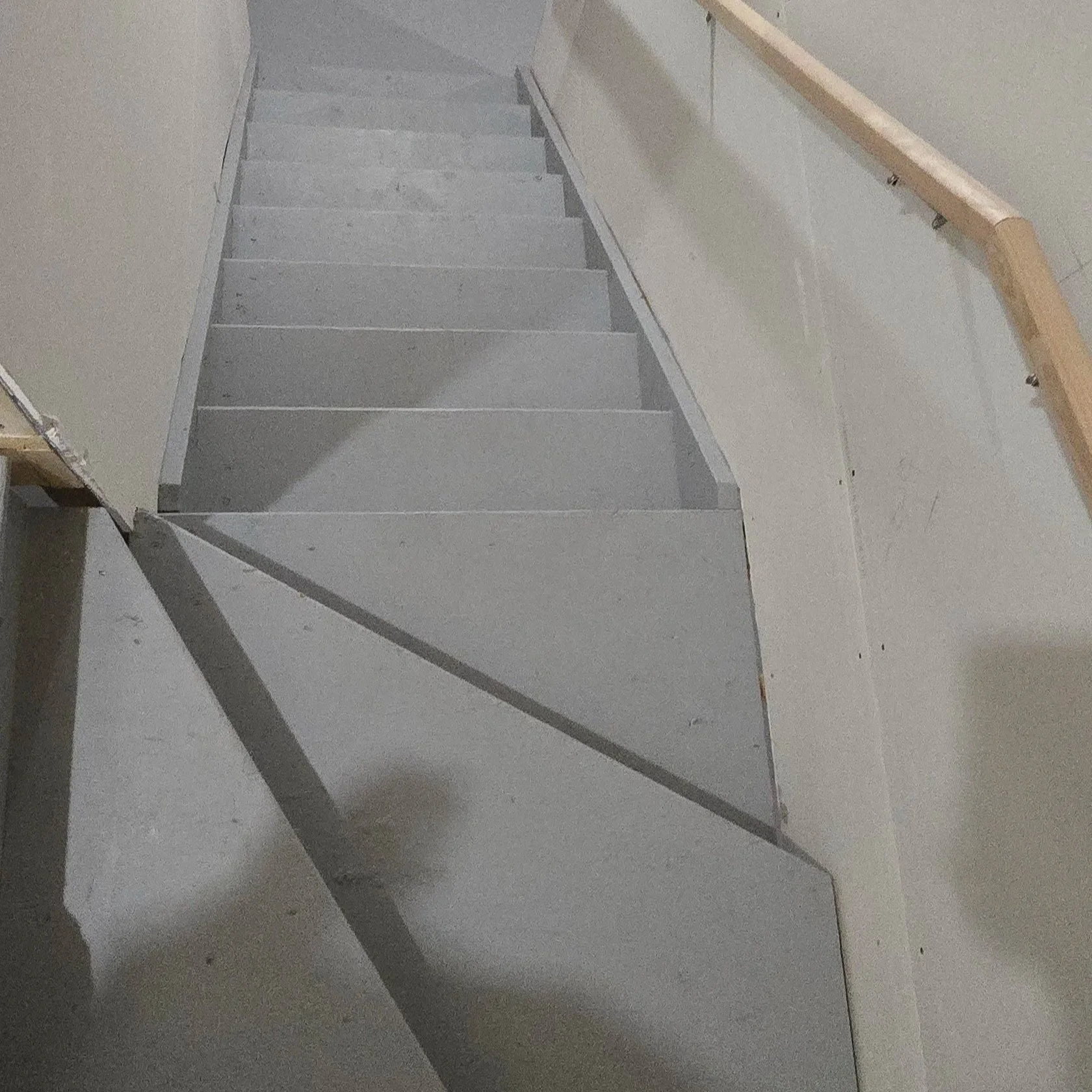
Winding stairs to a basement
Avoid winding stairs, especially if you want to save money by adding a basement entrance. They make it harder to place the entrance close to grade level, which usually increases the cost and complexity.
Bonus: Entrance Placement Saves $23,000
Buying an existing home? Check the basement entrance location carefully.
What to Look For:
Interior stairs along a side wall (conventional lots) or your owned side (zero-lot lines)
Upper landing instead of winding stairs
Why It Matters: Adding a door to straight-run stairs costs $2,000–$12,000. But if you need to excavate a new entrance from scratch—digging door wells, building retaining walls, installing drainage—you'll spend $20,000–$25,000.
This single detail can save you the price of a new car. Walk homes with this checklist or bring a contractor for pre-purchase consultation.
Plan Now, Profit Later
The best time to prepare for basement development in Calgary is during purchase or construction. These five upgrades aren't about spending more—they're about spending strategically.
The Return on Investment:
Every construction dollar saves $3–$5 in future renovations
Legal suites generate $1,200–$1,500 monthly rental income
Proper infrastructure increases resale value
You preserve flexibility for life's changes—aging parents, adult children, or rental income
Whether you're building new or buying existing, planning ahead transforms your basement from wasted space into valuable, income-ready square footage.
Ready to Build Your Basement Suite?
At Remarkable Projects, we design and build code-compliant basement suites that maximize comfort, safety, and ROI. Planning a new home or preparing for future development?
Contact us today to lay the groundwork for your success.